Methylisothiazolinone: The Preservative Behind an Allergy Epidemic
INCI: Methylisothiazolinone · also listed as MI, MIT, MCI/MI, Kathon CGApproved on its own in Europe in 2005; an allergy epidemic by 2013; banned from EU leave-on products in 2017. Still legal at higher levels in the US.

Effective, legal in shampoo, and worth avoiding
MI preserves a product well and does nothing for hair. Its problem: it sensitises skin at extraordinarily low doses. Across 14 European clinics, 6% of everyone patch-tested in 2015 reacted to it. On a scalp the reaction looks like dandruff or eczema at the hairline, ears and neck.
The EU banned it from leave-on cosmetics in 2017 and cut rinse-off products to 0.0015% in 2018; the US has no limit. Phenoxyethanol and sodium benzoate preserve a shampoo just as well, so there is no benefit to weigh against the risk. Skip it, and its partner MCI/MI too.
- INCI name
- Methylisothiazolinone
- Also on labels
- MI, MIT. Often paired as methylchloroisothiazolinone / methylisothiazolinone (MCI/MI, trade name Kathon CG), more potent still.
- Job in hair care
- Broad-spectrum preservative. Keeps a water-based formula free of bacteria and mould in a warm bathroom.
- Found in
- Older and value-range shampoos, conditioners and wet wipes. Rare in new EU launches, common in US mass-market lines.
- Typical level
- EU rinse-off: max 0.0015% (15 ppm). US rinse-off: up to 0.01% (100 ppm) under the industry panel's guidance.
- Regulatory status
- Banned in EU leave-on products since 12 February 2017; rinse-off capped at 0.0015% from 2018. The UK mirrors the EU. No US federal limit.
- Hairmony class
- ActiveScored by the Hairmony engine, so it actually moves which products you get recommended.
- Scored for
- −scalp sensitivity−scalp healthCarried purely as a contraindication: the engine's heaviest sensitive-scalp penalty plus a scalp-health penalty, with no hair benefit to offset either.
What it does on your scalp
Nothing for your hair. A preservative protects the bottle, and MI does that well. On the scalp it is a potent contact allergen: it binds to skin proteins and primes the immune system, so a later exposure to a far smaller amount triggers dermatitis.
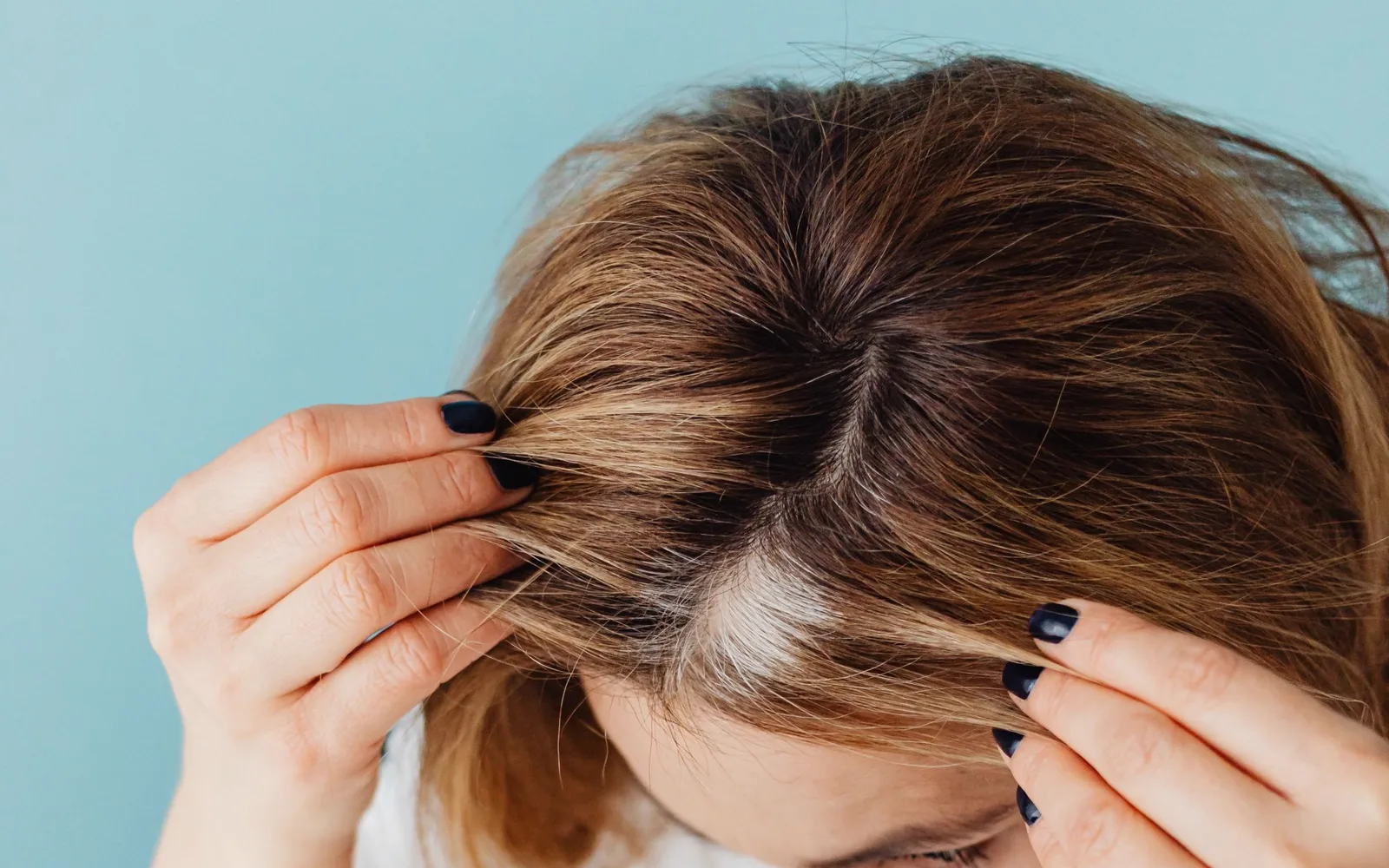
The scalp itself is thick and resistant, so the reaction shows up where product runs and lingers: an itchy, scaly hairline, red ears, a rash on the neck or eyelids. It gets treated as dandruff or "sensitive skin" for months before anyone reads the label.
Worth tolerating if
- The product is rinse-off, EU-compliant, and you have never reacted to it
- There is no alternative on your shelf tonight
Avoid if
- You have eczema, a sensitive scalp or any past cosmetic reaction
- The product is a leave-in, cream, serum or wipe
- Your hairline or ears itch and dandruff shampoo has not helped
Where it hides on a label
Why the EU banned it from leave-on products
Until 2005, MI was allowed only in a fixed mix with MCI, at 15 ppm. Then the EU approved it alone at 100 ppm, and it spread into moisturisers, wipes and leave-in hair products. Patch-test positives climbed until the American Contact Dermatitis Society named it Allergen of the Year in 2013.
The leave-on ban took effect in February 2017; rinse-off products were cut to 15 ppm the next year. Across Europe, positive patch tests halved from 6% to 3% within two years. New cases are falling, but the already sensitised stay sensitised, which is why it is still worth reading for.
In practice: if your hairline itches and flakes, read the last three ingredients of everything you use before buying another dandruff shampoo. Swap anything listing MI or MCI/MI.
What we based this on
- Regulation. Regulation (EU) 2016/1198, banning MI in leave-on products from 12 February 2017; Regulation (EU) 2017/1224, capping rinse-off products at 0.0015% from 2018.
- The epidemic. Uter et al., JEADV 2020: 14 European centres, positives down from 5.97% (2015) to 2.96% (2017). Havmose et al., Contact Dermatitis 2021: leave-on sources fell from 24.8% to 6.2%.
Not medical advice. This page describes how an ingredient behaves on hair and scalp. If you have a persistent rash, sores, sudden shedding or a diagnosed scalp condition, see a dermatologist before changing anything.
Frequently asked
Is methylisothiazolinone banned?
Partly. The EU banned it from all leave-on cosmetics in February 2017 and capped rinse-off products such as shampoo at 0.0015% (15 ppm) from 2018; the UK follows the same rules. The US has no federal limit, and its industry review panel allows up to 100 ppm in rinse-off products.
What does a methylisothiazolinone allergy look like on the scalp?
Usually not like a rash on the scalp itself. It shows up where product runs and lingers: an itchy, flaky hairline, red or weeping skin behind the ears, a rash on the neck or eyelids. It is often mistaken for dandruff, and it does not respond to anti-dandruff shampoo.
Is methylisothiazolinone safe in shampoo?
At the EU limit of 15 ppm, the risk of becoming newly sensitised from a rinse-off product is low. If you are already allergic, that amount is enough to trigger a reaction. Since other preservatives do the same job without the allergy record, there is little reason to accept it.
Check another ingredient
Keep reading
The Hairmony Team
We're the team behind Hairmony, the app that reads your hair from a photo and builds a routine around it. Our ingredient engine scores more than 14,000 INCI names, and this glossary is where we explain what those scores are based on.

Scan a label before you buy it
Hairmony checks every ingredient against your scalp profile and flags the ones your skin is likely to react to.
Try Hairmony free for 3 days →