Wavy Hair Care: The Best Routine and Products for Type 2 Hair
Wavy hair has natural body but sits on a knife-edge - too heavy and it falls flat, too dry and it frizzes. Here is a simple type 2 routine, plus how to choose the best wavy hair products by ingredient, for waves that stay defined and soft.
Key takeaways
- Routine in one line: wash 2-3x a week, squish conditioner into wet hair, scrunch in a light leave-in and mousse, and dry without touching.
- Go light. Waves flatten under heavy creams, butters and oils - lighter than curls, more defining than straight-hair care.
- Choose products by ingredient: light humectants for moisture, soft film-formers for hold, gentle cleansers - not rich curl creams.
- Scrunch, don't brush. Style on soaking-wet hair and never brush waves out once dry.
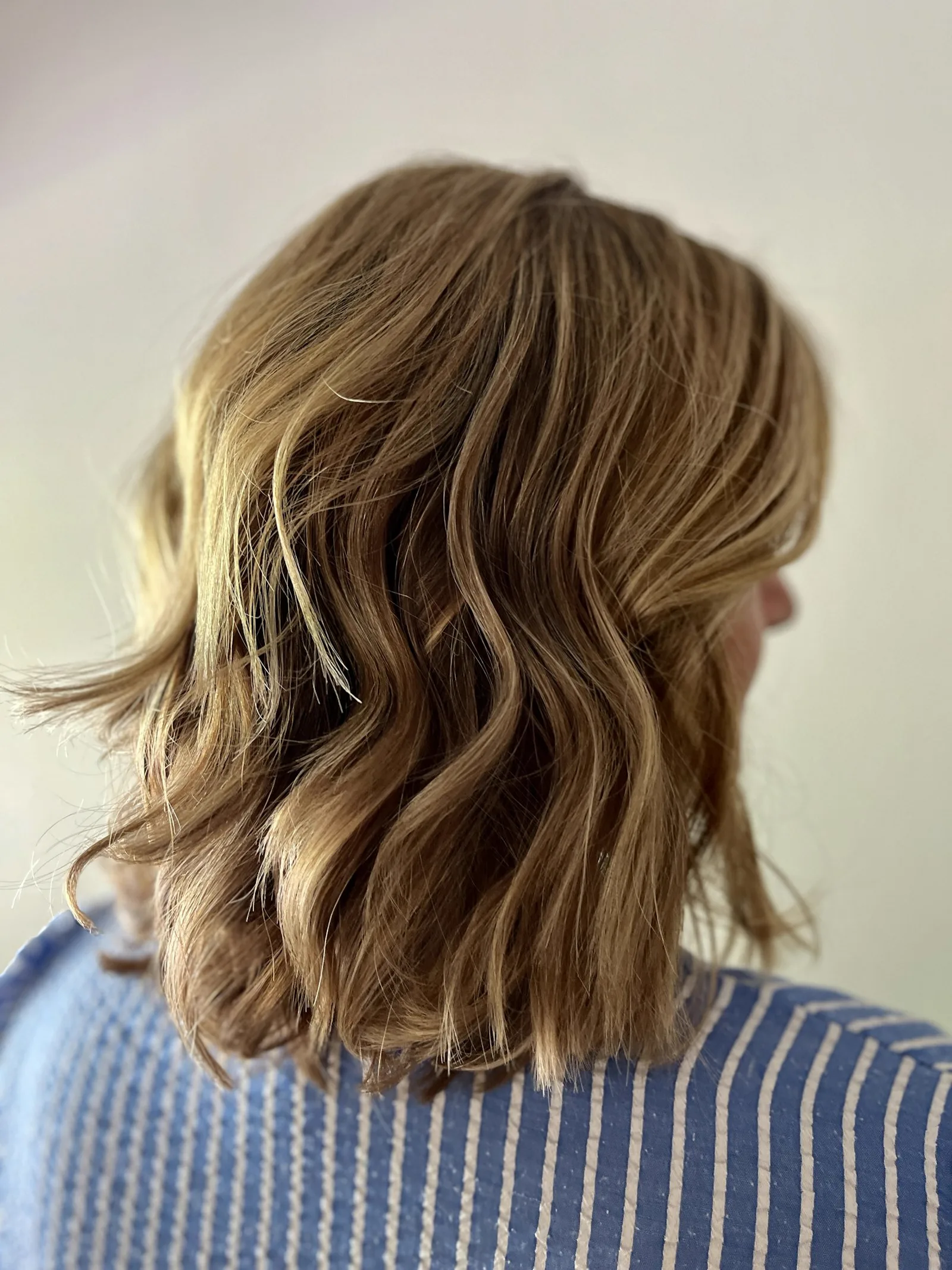
Type 2 hair is the in-between: soft "S" waves with natural body, looser than a curl but with more shape than straight hair. That middle position is exactly what makes it tricky. Treat it like straight hair and the waves fall flat; treat it like curly hair and heavy products drag them down. Good wavy hair care is a balancing act - light moisture, light hold, minimal handling. If you are not sure this is your type, start with the full guide to type 2 wavy hair or find your hair type.
For how waves compare to every other type, see the pillar guides on the best hair care routine by hair type and the best hair care products by hair type.
What wavy hair actually needs
Waves come from a slightly oval follicle - enough of a bend to slow scalp oil down, so ends can run dry while roots still get greasy. The cuticle sits a little more open than on straight hair, so waves frizz when they lose moisture or get disturbed. But the wave itself is delicate, and too much product weight pulls it straight.
So wavy hair needs just enough moisture to stop frizz and just enough hold to keep definition - without the weight that flattens it.
Wavy hair is easy to over-love. More product usually means flatter waves, not better ones - reach for the lightest thing that works.
The best wavy hair care routine
Wavy hair does best with a light version of the curly method. The moves are the same; the products are lighter and you use less.
1. Cleanse gently, 2-3 times a week
- Use a lightweight, gentle shampoo - sulfate-free if your ends run dry - focused on the scalp.
- Washing too often flattens waves; too rarely leaves roots oily. Two or three times a week suits most people.
- Clarify occasionally to clear buildup that weighs waves down.
2. Condition and "squish to condish"
- Apply a light conditioner to the mid-lengths and ends, then squish it into soaking-wet hair with cupped hands to encourage the wave and add moisture.
- You will feel the waves clump together - that is the pattern forming.
3. Style on soaking-wet hair
- On soaking-wet hair, scrunch in a light leave-in, then a mousse or soft gel for hold.
- Scrunch upward toward the scalp to boost the wave; skip curl creams unless your waves are on the curly end (2C).
4. Dry without disturbing
- Plop briefly in a cotton tee to remove drips, then air-dry or diffuse on low.
- Do not touch waves while they dry - handling turns definition into frizz.
- If a gel leaves a cast, scrunch out the crunch once fully dry for soft, defined waves.
5. Refresh and protect
- Between washes, revive waves by misting with water and a little leave-in and scrunching.
- Sleep on satin or in a loose "pineapple" to protect the shape.
- Use a heat protectant if you diffuse warm or use hot tools.
Tip: If your waves go limp, take weight out before adding hold - switch to a lighter conditioner and mousse instead of cream, and keep conditioner off the roots.
How to choose the best products for wavy hair
The best wavy-hair product is the lightest one that still defines. Read the label for weight and hold rather than brand claims.
Ingredients to look for
- Light humectants (like glycerin) for moisture without heaviness.
- Soft film-formers in mousses and light gels for touchable hold and definition.
- Gentle cleansers (cocamidopropyl betaine, mild glucosides) that clean without stripping.
- Lightweight conditioning agents and light quats for slip and detangling.
Ingredients to approach with care
- Heavy butters and rich oils (shea, thick oils) weigh waves flat - use sparingly on the ends only.
- Rich curl creams are usually too heavy for looser 2A-2B waves.
- Drying alcohols high on the list dehydrate wavy ends and feed frizz.
Your exact wave pattern and porosity decide how much you can add. Looser 2A waves need the lightest touch; 2C waves border on curly and can take a curl cream. Match product weight to your wave:
| Wave type | Cleanse | Moisture | Hold |
|---|---|---|---|
| 2A (loose) | Light shampoo, 2-3x/week | Light leave-in | Mousse |
| 2B (defined) | Gentle shampoo | Light leave-in or lotion | Mousse or soft gel |
| 2C (near-curly) | Sulfate-free shampoo | Light curl cream | Soft-to-medium gel |
Common wavy hair mistakes
- Using heavy, rich products. Curl creams and butters flatten looser waves - go lighter.
- Brushing waves dry. It pulls out the pattern and creates frizz - scrunch on wet hair instead.
- Over-washing. Frequent washing strips moisture and flattens the wave.
- Touching hair as it dries. It breaks the forming wave into frizz - hands off until dry.
- Skipping product entirely. A little mousse or light gel is what holds the wave; bare waves fall flat.
Waves reward a light hand and a little patience. If you want a routine and product shortlist matched to your exact wave pattern and porosity, try our free hair profile finder, or let Hairmony read your hair from a photo and build the whole plan for you.
Frequently asked questions
What is the best hair care routine for wavy hair?
Wash two or three times a week with a gentle, lightweight shampoo, then squish a light conditioner into soaking-wet hair to encourage the wave. On wet hair, scrunch in a light leave-in and a mousse or soft gel, then air-dry or diffuse on low without touching. Scrunch out any crunch once dry. The goal is light moisture and hold that defines waves without flattening them.
What ingredients should I look for in wavy hair products?
Look for lightweight humectants like glycerin for moisture, light film-formers in mousses and soft gels for hold, and gentle cleansers instead of harsh sulfates. Avoid heavy butters and rich oils that flatten waves, and drying alcohols high on the list. Waves sit between straight and curly hair, so the best products are lighter than curl creams but more defining than plain straight-hair products.
How often should I wash wavy hair?
Two or three times a week suits most wavy hair. Waves can get oily at the roots but dry at the ends, so washing too often flattens them and strips moisture, while washing too rarely leaves roots greasy. Refresh waves between washes by misting with water and a little leave-in, then scrunching.
Why do my waves fall flat or turn frizzy?
Waves fall flat when products are too heavy or you brush them out when dry, and they frizz when hair is too dry or disturbed while drying. Use lightweight products, style on soaking-wet hair, scrunch instead of brushing, and let a soft gel cast set before scrunching it out. Matching product weight to your porosity keeps waves defined without going crunchy or limp.
Keep reading
The Hairmony Team
We're the team behind Hairmony - the app that reads your hair and scalp from a photo and builds a routine around it. We write these guides to make the science of hair care simple and actually usable.
Get a wavy routine built for your waves
Hairmony reads your wave pattern, porosity and dryness from a photo - then matches the light shampoo, conditioner and stylers that define your waves instead of flattening them.
Try Hairmony free for 3 days →